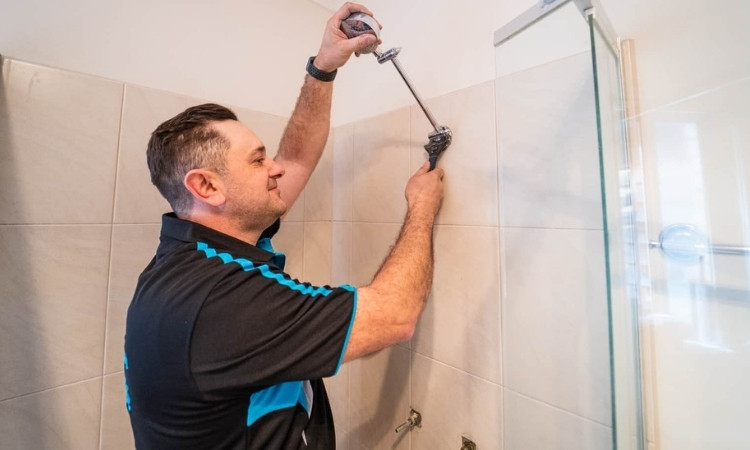
Shower screens are installed in the bathroom to prevent water leaks and water damage to other parts of the place. However, there are common shower screen issues that you must know about to prevent leaks and water damage in Singapore.
Read this post in which we’ll teach you about all 7 common shower screen issues to prevent leaks and water damage in Singapore. Also, LS Shower Screen Singapore is an expert in tempered glass shower screens, black frame shower screens, and sliding door shower screen services in Singapore.
7 Common Shower Screen Issues to Prevent Leaks and Water Damage in Singapore
By knowing about the shower screen issues, you’ll be able to solve them and prevent water leaks and damage in the bathroom. Let’s get to the 7 common shower screen issues.
1. Check For Loose Seals
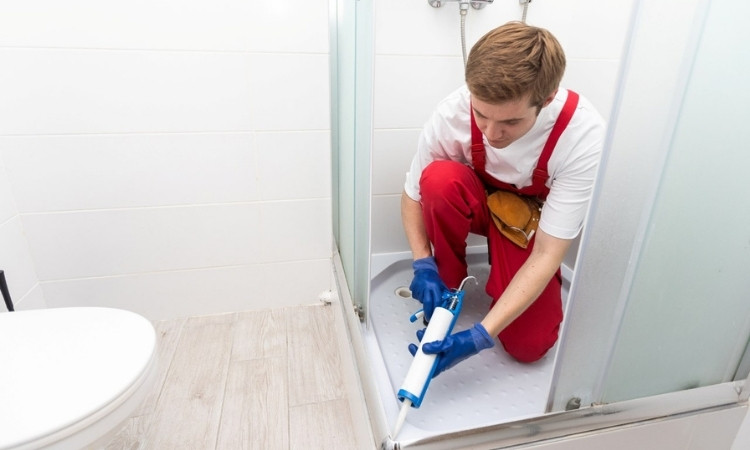
Ever notice water sneaking out after a shower? That usually means the seals are giving up. Peek along the edges; sometimes they peel or shrink without making a sound.
Tightening or swapping them stops little leaks from turning into puddles on the floor. Doing this every week keeps the bathroom dry and avoids sudden messy surprises. A tiny adjustment now saves a lot of headache later.
How to fix it?
- Remove the old seal carefully.
- Clean the area so it is dry and dust-free.
- Apply the new seal evenly along the edges.
- Press firmly so it sticks properly.
- Let it dry completely before using the shower.
- Run water to check for leaks.
2. Inspect For Cracks Or Chips
Glass can surprise you with tiny cracks that grow fast. Run a finger lightly along the edges and see if anything feels off. Even a small chip can let water escape or make the glass unstable.
Replacing a damaged panel early keeps everything calm and secure. Catching it before it spreads prevents stress and keeps your bathroom safe.
How to fix it?
- Check how big the crack or chip is.
- Remove the damaged panel carefully.
- Measure and prepare the replacement panel.
- Install the new panel securely.
- Seal all edges to prevent leaks.
- Test by running water to ensure everything is tight.
3. Clean Drains And Tracks
Look down at the tracks and drains and you’ll see the mess hiding there. Hair, soap, and dust pile up faster than you think.
Cleaning them stops water from pooling and keeps mold from moving in. A clear path makes every shower feel smoother, and your screen stays happy for longer. Checking these areas regularly prevents unexpected clogs or slippery floors.
How to fix it?
- Remove hair and debris by hand.
- Scrub the tracks with a small brush.
- Pour a mild cleaner to remove grime.
- Rinse thoroughly with water.
- Dry the area with a cloth.
- Repeat weekly to prevent buildup.
4. Check Door Alignment
Have you noticed doors that wiggle or don’t close right? That misalignment invites water to sneak out. Slowly closing the door shows where it lags or gaps.
Adjusting rollers or hinges keeps everything tight. Doors that fit properly protect the floor and make shower time less stressful. Keeping them aligned avoids puddles and keeps your bathroom looking clean.
How to fix it?
- Loosen screws on the hinges or rollers slightly.
- Adjust the door until it lines up perfectly.
- Tighten screws securely.
- Open and close the door to test smoothness.
- Repeat small adjustments if needed.
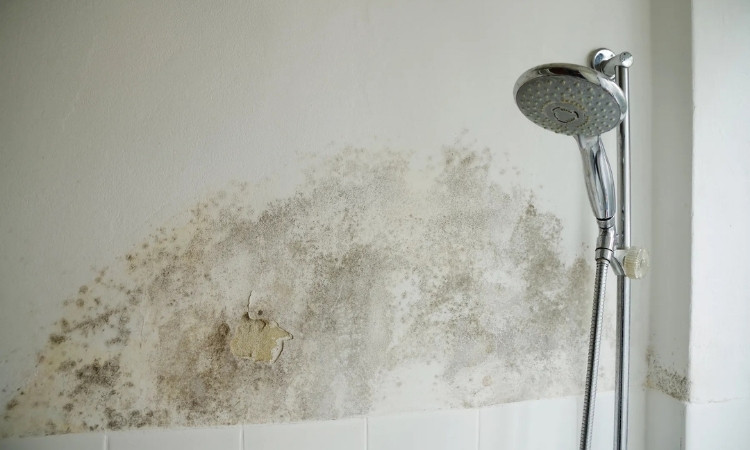
5. Remove Mold And Mildew
Mold is sneaky and loves corners and damp edges. It pops up fast if water lingers too long. Scrubbing with a mild cleaner pushes it away before it stains or smells.
Regular cleaning keeps the bathroom fresh and prevents it from turning into a tiny jungle. Staying on top of this makes every shower more pleasant and healthier.
How to fix it?
- Spray a mild cleaner on moldy areas.
- Scrub with a brush or cloth thoroughly.
- Rinse the area well with water.
- Dry the surface completely.
- Repeat regularly to prevent mold from coming back.
6. Inspect Metal Frames And Rollers
Metal frames get rusty, and rollers get stiff if you forget them. Check screws, rust spots, and smoothness every now and then. Oil moving parts so the doors glide instead of sticking.
Replacing worn bits keeps leaks away and makes the shower feel solid. A little attention now stops bigger problems later and keeps everything moving like it should.
How to fix it?
- Tighten any loose screws.
- Apply oil to the rollers for smooth movement.
- Remove rust using a cleaner or cloth.
- Replace damaged rollers or parts if needed.
- Test door movement to make sure it glides easily.
7. Replace Worn Parts Immediately
When seals, brackets, or rollers start failing, don’t wait. Ignoring them lets water escape and damages surrounding areas.
Having replacements ready makes fixes fast and painless. Changing worn parts right away keeps everything working and stops small problems from becoming huge headaches. Staying proactive here protects the bathroom and saves money down the line.
How to fix it?
- Identify which parts are worn or broken.
- Remove the old pieces carefully.
- Install the new parts correctly.
- Check seals and door movement.
- Run water to make sure leaks are gone.
Final Words
Shower screen issues can affect their efficiency and may still let water get through and damage the floor or other parts of the bathroom.
These are the 7 common shower screen issues that you must know about to fix those: Start by checking the seals and removing the old ones, then clean the edges and apply new seals.
Next, inspect the glass for cracks and carefully remove any damaged panels. Clean the drains and tracks while scrubbing away hair and soap debris. Check the door alignment and adjust hinges and rollers for a tight fit.
Remove mold and mildew, scrubbing and rinsing thoroughly. Inspect metal frames and rollers, tighten screws and oil moving parts. Finally, replace worn parts, install new pieces, and test for leaks.
